
Is Your Pet Ready For Cooler Florida Nights?


Is Your Pet Ready For Cooler Florida Nights?
As October arrives in Port Richey, the days begin to mellow and evenings bring a refreshing, cooler breeze. While many Floridians welcome this seasonal change, it's important for pet owners to remember that even mild temperature shifts can affect the comfort and wellbeing of dogs and cats. At Vet2home, we know how much your pet’s happiness means to you, and we’re proud to provide stress-free, in-home veterinary care throughout Port Richey and surrounding communities. Whether you live in a busy household or your pet gets anxious in the car, our mobile team brings professional care right to your doorstep, making seasonal wellness simpler than ever. In this blog, we’ll guide you through the signs your pet may need extra support as the weather cools, discuss why these changes matter, and share practical tips for ensuring your furry companion stays healthy and cozy—all from the comfort of your home.
If you’re wondering how the cooler Florida nights might impact your pet, or if you’re looking for ways to prepare, our in-home veterinary professionals are here to help. By the end of this article, you’ll know what to watch for, how to keep your pet comfortable, and when to reach out for professional support. For those interested in a seasonal check-up, our comprehensive physical examinations are designed to assess your pet’s health and address any concerns related to changing weather.
Recognizing When Cooler Nights Affect Your Pet
As temperatures dip, even slightly, your dog or cat may respond in subtle ways. Signs that your pet is feeling the effects of cooler evenings include seeking out warm, cozy spots more often, hesitating to go outside for walks or bathroom breaks, or shivering when exposed to chilly air. For cats, you might notice increased time spent curled up in blankets or tucked away in small spaces. Dogs may become less enthusiastic about early morning or nighttime walks, especially short-haired or older pets.
Other signs of seasonal discomfort include dry or flaky skin, changes in sleep patterns, or a reluctance to rest on tile or hardwood floors that feel cold to the touch. Senior pets and those with arthritis may show increased stiffness or difficulty rising in the morning. If your pet has a thin coat or is very young, they may be particularly sensitive to temperature changes, seeking extra warmth or attention.
Why Florida’s Cooler Nights Matter for Pets
While Port Richey’s fall and winter weather is milder than many regions, the shift from hot, humid days to brisk evenings can still impact your pet’s health. Dogs and cats acclimate to the warmer months, so even a drop of ten degrees may feel significant to them. Thin-coated breeds, elderly pets, and those with chronic health issues are most vulnerable.
Cooler air can also lead to drier indoor environments, especially if you begin to use heating. This may contribute to skin irritation, dry noses, or increased shedding. For pets with arthritis or joint problems, lower temperatures can exacerbate stiffness and discomfort. Additionally, as daylight hours decrease, some pets may experience changes in activity levels or mood.
Understanding these seasonal factors allows you to provide proactive, compassionate care that keeps your pet thriving throughout the fall and winter months.
In-Home Veterinary Support: What to Expect
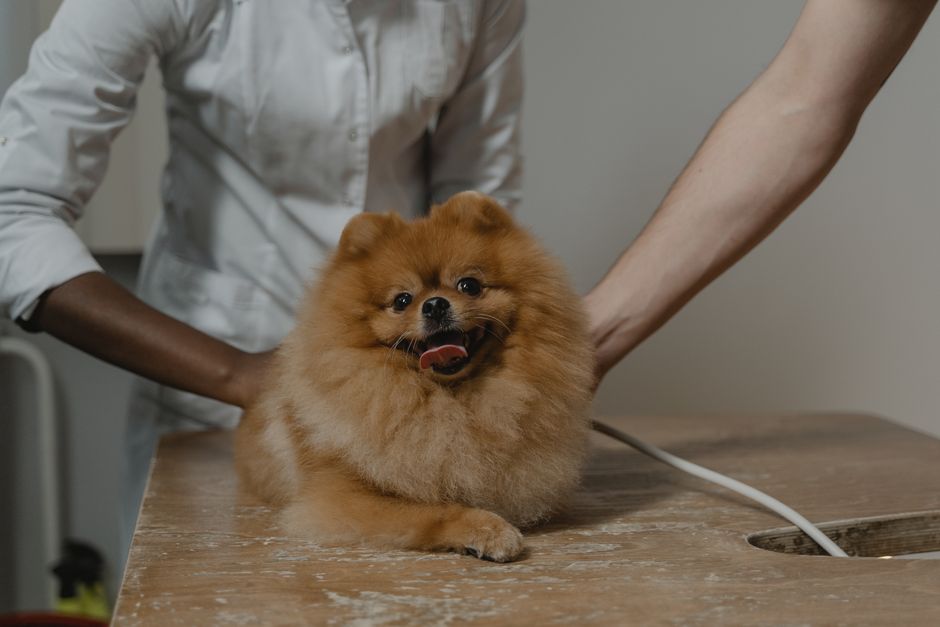
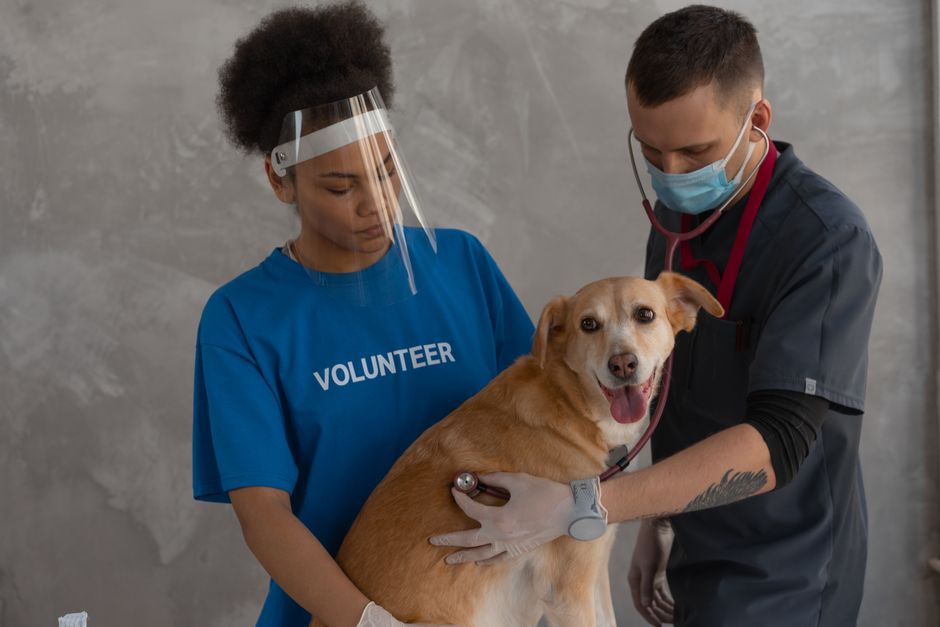
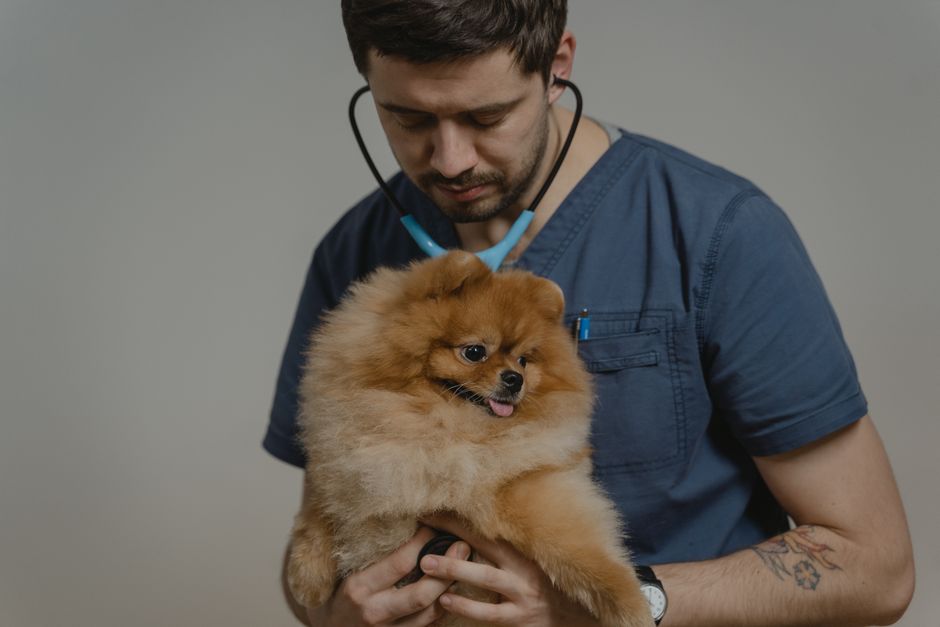
Having your veterinarian come to you offers a unique advantage, particularly as seasons change. At Vet2home, we provide personalized advice and hands-on care in the environment where your pet feels safest. During a home visit, our veterinary team evaluates your pet’s overall health, discusses any changes in behavior or comfort, and answers questions about seasonal adaptation.
Common services during this time of year include comprehensive physical exams, which help us identify early signs of joint discomfort, skin issues, or temperature sensitivity. For pets who have been spending more time outdoors, we may recommend updated pet vaccination services to protect against seasonal illnesses.
If your pet is showing signs of minor illness—such as sneezing, mild coughing, or skin irritation—our minor illness care can address these concerns quickly and comfortably. In-home care also allows us to assess your pet’s environment and suggest small changes, like improving bedding or adjusting room temperature, to maximize comfort.
Home Care Tips for Keeping Pets Comfortable and Healthy
Preparing your pet for cooler Florida nights starts with observation and a few simple adjustments around your home. Make sure your dog or cat has access to soft, insulated bedding away from drafts and cold floors. Providing cozy blankets or pet-safe heating pads can be especially helpful for older pets or those with thin coats.
Maintaining regular grooming routines is important, as a well-brushed coat offers better insulation. Take care not to bathe your pet too frequently during cooler months, since this can strip natural oils and lead to dry skin. Ensure fresh water is always available, and consider placing bowls in areas where they won’t get too cold overnight.
For dogs, schedule outdoor walks during the warmest part of the day when possible, and monitor for signs of discomfort, such as shivering or reluctance to walk. If your dog is particularly sensitive to the cold, a well-fitted sweater or coat can provide extra protection during chilly evenings. Cats who venture outside should be encouraged to return indoors before sunset, as temperatures drop quickly after dark.
Enrichment remains important, even when pets are less active. Encourage gentle play indoors, offer interactive toys, and maintain a consistent feeding and exercise routine to support both physical and mental health.
When to Seek Veterinary Care During Seasonal Changes
While most pets adjust easily to the shift in weather, there are times when professional veterinary care is necessary. If you notice persistent shivering, lethargy, significant changes in appetite or weight, difficulty breathing, or worsening of chronic conditions like arthritis, it’s time to reach out for support. Pets who develop cracked paw pads, dry skin that doesn’t improve, or new lumps or bumps should also be evaluated.
Cats who suddenly hide more, or dogs who become unusually irritable or inactive, may be signaling discomfort or illness. Never ignore signs of pain, ongoing coughing, or any change in urination or defecation habits. Early intervention can make all the difference in your pet’s comfort and recovery.
Because Vet2home brings compassionate veterinary care directly to your home, you never have to worry about transporting a stressed or unwell pet. Our team of veterinarians is equipped to manage most non-emergency seasonal health concerns right where your pet feels most at ease. For ongoing preventive care, consider a semi-annual comprehensive exam to catch potential issues before they become serious.
Enjoying the Season: The Benefits of In-Home Veterinary Care
Embracing Florida’s milder fall and winter evenings is easier when your pet is healthy, comfortable, and stress-free. In-home veterinary care offers unmatched convenience, reducing anxiety for both pets and owners. By monitoring your pet’s seasonal needs and making a few thoughtful adjustments, you can ensure that your dog or cat enjoys the coming months in comfort and good health.
If you ever find yourself searching for a mobile vet near me, remember that Vet2home delivers quality veterinary care right to your door across Port Richey and surrounding communities. Our veterinary professionals are dedicated to helping your pet adapt to seasonal changes with personalized advice and attentive support.
To schedule a visit or discuss your pet’s needs as the weather cools, call (727) 919-1515 or visit us at 7115 Mayfield Dr, Port Richey, FL 34668. Let our team help you keep your companion healthy, happy, and ready to enjoy every season in the comfort of your home.
This article is intended for informational purposes only and should not replace professional veterinary advice. If your pet is experiencing symptoms or you have concerns, please contact your veterinarian promptly.