
Early Signs of Illness Dogs and Cats Show at Home

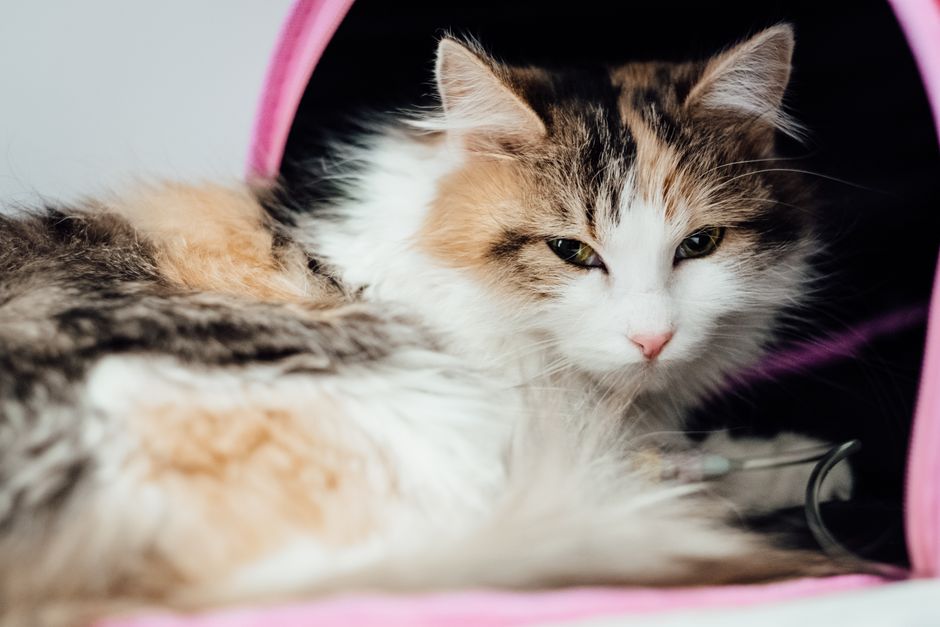
Early Signs of Illness Dogs and Cats Show at Home
As a caring pet owner, you know your dog or cat better than anyone else. Even subtle changes in their behavior or routine can spark concern, especially when you spot something that just does not seem right. Early detection of illness is crucial for your pet’s health, and with Vet2home’s in-home veterinary care, you do not have to worry about the stress of clinic visits or long waits. Our mobile veterinary team brings compassionate, high-quality care right to your doorstep in Port Richey and surrounding communities, making it easier than ever to address health concerns as soon as they arise.
This blog will help you recognize the most common early signs of illness in dogs and cats, understand what these symptoms might mean, and know when it is time to seek professional help. We will also explain how in-home visits from Vet2home offer a stress-free way to get answers and support. Whether you live in Port Richey or a nearby neighborhood, our veterinary team is dedicated to keeping your pets healthy and comfortable at home.
Recognizing Early Signs of Illness in Dogs and Cats
Spotting illness early can make a significant difference in your pet’s recovery and wellbeing. Pets are masters at hiding discomfort, so many warning signs are subtle. Understanding what to look for helps you take prompt action when something seems off.
Behavioral Changes and Subtle Symptoms
Changes in your pet’s normal behavior are often the first clues that something is wrong. For instance, you might notice your usually playful dog is suddenly withdrawn or less interested in walks. Cats might start hiding more, become less active, or avoid their favorite spots. Other early signs to watch for are changes in appetite, increased or decreased water intake, sudden weight loss or gain, vomiting, diarrhea, or changes in urination patterns. Some pets may vocalize more than usual, appear restless, or seem unusually tired.
Physical symptoms can also be subtle at first. Look for sneezing, coughing, discharge from the eyes or nose, or changes in breathing sounds. Skin issues such as itching, redness, new lumps, or hair loss might develop. Limping, stiffness, or difficulty getting up can signal pain. Dental problems may show up as bad breath, drooling, or reluctance to eat.
Monitoring Eating and Drinking Habits
A sudden change in how much your pet eats or drinks is a key warning sign. Dogs and cats who skip meals, eat less than usual, or seem uninterested in treats may be feeling unwell. On the other hand, increased thirst or urination could indicate conditions like diabetes or kidney disease. Noticing these changes early helps your veterinarian narrow down possible causes and begin treatment before the illness progresses.
Why Do Pets Hide Signs of Illness?
Cats and dogs have evolved to mask signs of pain or weakness. In the wild, showing vulnerability could make them a target for predators. This natural instinct means that by the time you notice more obvious symptoms, your pet’s condition may already be advanced.
In-home veterinary care can be especially helpful here. Because your pet is relaxed in their familiar environment, our team is often able to observe more subtle clues and discuss your observations in detail. This collaborative approach supports earlier diagnosis and more effective care.
Common Causes Behind Early Illness Signs
There are many reasons your pet may begin to show changes in behavior or physical appearance. Some of the most frequent causes include infections, dental disease, gastrointestinal problems, allergies, and chronic conditions such as arthritis, kidney disease, or diabetes.
For example, a cat who stops grooming and begins to hide may be experiencing pain from dental disease or arthritis. A dog who starts drinking more water and urinating frequently could be developing diabetes or a urinary tract infection. Skin changes or lumps may signal allergies, infections, or in some cases, more serious concerns such as tumors.
It is important to remember that similar symptoms can have different causes in dogs and cats. This is why a thorough comprehensive physical examination by a mobile veterinarian is so valuable. Our veterinary team can gather a complete history, conduct hands-on assessments, and recommend appropriate diagnostic tests—all in the comfort of your home.
How Vet2home Diagnoses Early Illness in Your Pet
When our mobile veterinary team visits your home, we begin with a detailed discussion about your pet’s recent behavior and any changes you have noticed. We then perform a comprehensive physical examination, checking for subtle signs that may not be obvious to the untrained eye.
If further investigation is needed, we offer diagnostic laboratory services right in your living room or kitchen. These tests may include bloodwork, urinalysis, or fecal exams to help uncover underlying issues such as infections, organ dysfunction, or metabolic disorders. Our mobile approach ensures your pet stays comfortable and calm throughout the process.
For ongoing or complex health concerns, our team provides internal medicine services to diagnose and manage chronic diseases, develop treatment plans, and monitor progress over time. Collaborating closely with you, we tailor care to your pet’s unique needs and your family’s lifestyle.
Managing Minor Illnesses and Comforting Your Pet at Home
Once a diagnosis is made, many minor illnesses can be managed right at home with the guidance of our veterinary professionals. Treatments may involve prescription medications, topical therapies, adjustments to diet or daily routines, or recommendations for supportive care.
For example, mild digestive upsets might be managed with dietary changes and medications, while minor skin issues may respond to topical treatments. Pain management for early arthritis or dental discomfort can improve your pet’s quality of life. Our in-home approach allows us to demonstrate medication techniques, answer your questions in real time, and ensure that treatments fit seamlessly into your daily routine.
If your pet is facing a chronic or more serious illness, ongoing monitoring and regular check-ins with our team can help catch complications early and adjust treatment as needed. We are committed to keeping your pet as comfortable and active as possible at every stage of life.
Preventing Illness: What You Can Do at Home
Prevention plays a vital role in your pet’s overall health. Regular monitoring and proactive care help you catch illness before it becomes serious. Steps you can take include keeping up with routine semi-annual comprehensive exams, following recommended vaccination schedules, and maintaining a healthy diet and weight.
Make a habit of observing your pet’s normal behaviors and routines. Changes in appetite, water intake, litter box or bathroom habits, and activity levels should be noted and discussed with your veterinarian. Regular dental care, grooming, and parasite prevention are also important in catching early signs of trouble.
For families in Port Richey and surrounding communities, Vet2home’s mobile service means you do not have to delay care due to busy schedules or travel concerns. Our veterinary team is dedicated to making preventive care convenient and stress-free for both you and your pet.
When Should You Call a Veterinarian?
Knowing when to seek professional help is crucial. Some signs require prompt attention, including persistent vomiting or diarrhea, labored breathing, sudden collapse, seizures, or any sign of severe pain. If your pet loses interest in food or water for more than 24 hours, becomes lethargic, or if you notice unexplained bleeding, it is important to reach out to a veterinarian right away.
For less urgent but persistent symptoms—such as changes in appetite, weight, or behavior—it is still wise to schedule an in-home visit. Early intervention can prevent more serious illness and make treatment easier for both you and your pet.
If you are ever unsure whether a symptom needs immediate attention, our veterinary professionals are just a call away. We are happy to discuss your observations, offer guidance, and arrange home visits as needed.
Why Choose In-Home Veterinary Care for Early Illness Signs?
The comfort and familiarity of home make a tremendous difference in how pets respond to veterinary care. By eliminating the stress of travel and waiting rooms, Vet2home allows pets to show their natural behaviors—making it easier to detect subtle symptoms of illness. Our mobile service also means you can schedule appointments around your own routine, making preventive care and follow-up visits more accessible.
Our veterinary team brings everything needed for physical exams, diagnostic testing, and minor treatments directly to your home. This approach supports early detection, timely intervention, and a more positive experience for both you and your pet.
Take the Next Step: Support Your Pet’s Health with Vet2home
Your vigilance and care play a vital role in your pet’s health journey. Recognizing the early signs of illness in your dog or cat can lead to faster diagnoses, easier treatments, and better outcomes. With Vet2home’s in-home veterinary care, you can access expert support, diagnostics, and treatment—all without leaving your living room in Port Richey and surrounding communities.
If you have noticed changes in your pet’s behavior, appetite, or appearance, or if you simply want peace of mind, our veterinary professionals are here to help. Schedule a convenient in-home visit or learn more about our comprehensive physical exams, diagnostic laboratory services, or internal medicine options today.
When searching for a mobile vet near me, choose a veterinary team that values comfort, compassion, and expertise. Contact Vet2home at (727) 919-1515 or visit us at 7115 Mayfield Dr, Port Richey, FL 34668 to schedule your next in-home appointment. Your pet’s health and happiness are always our top priority.
This blog is for informational purposes only and should not replace professional veterinary care. If your pet is experiencing severe symptoms or you are concerned about their immediate wellbeing, contact a veterinarian promptly.