
How to Keep Your Pet Cool and Safe in Florida’s July Heat

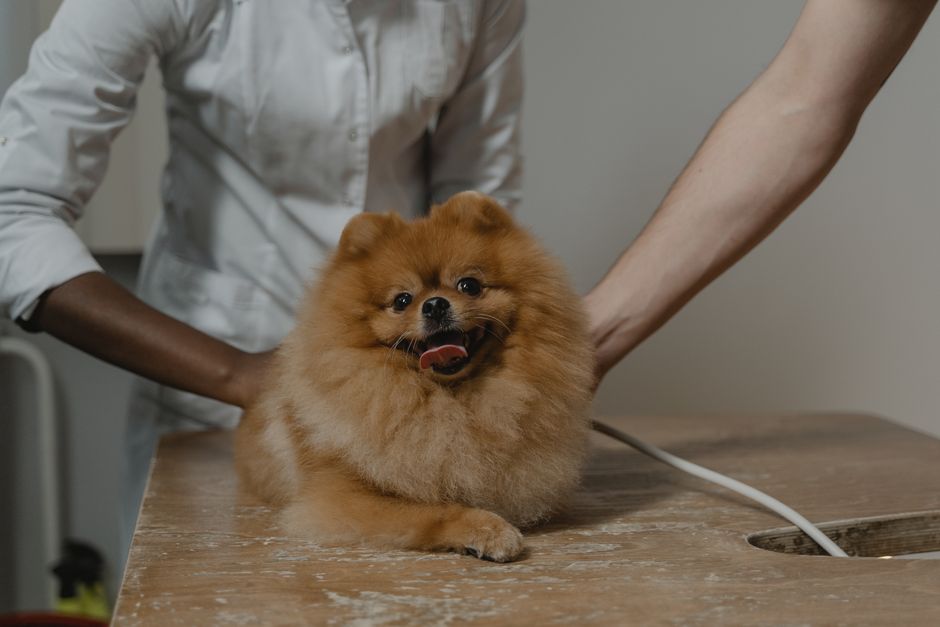
How to Keep Your Pet Cool and Safe in Florida’s July Heat
Florida’s summers are famous for their intense heat and humidity, especially in Port Richey and the surrounding areas. If you are a pet owner, you likely worry about how your dog or cat will cope during those steamy July afternoons, sudden downpours, and the relentless sun. At Vet2home, located at 7115 Mayfield Drive, Port Richey, FL 34668, our veterinary team is dedicated to helping you understand how to keep your pets healthy, happy, and safe during the hottest part of the year. In this blog, we will explore the risks pets face in Florida’s July heat, how to spot the warning signs of overheating, what causes heat-related issues, and the steps you can take to protect your beloved companions. We will also guide you on when to seek professional veterinary help and how our team can support you with convenient, in-home care for your dog or cat.
Recognizing Heat Stress in Your Pet
Florida’s summer can be tough on pets, even those who seem to love basking in the sun. Understanding the signs of heat-related stress is the first step toward keeping your companion safe. Dogs and cats regulate their body temperature differently from humans, and they are at greater risk of overheating, especially during periods of high humidity.
Some key symptoms of heat stress in pets include rapid or excessive panting, drooling, weakness, a glazed or anxious expression, and seeking cool or shady spots more often than usual. You may also notice your dog or cat becoming lethargic, refusing food or water, vomiting, or experiencing diarrhea. In severe cases, pets can collapse, have difficulty breathing, or even suffer seizures. Cats, in particular, may hide or become unusually quiet if they are feeling unwell from the heat.
It is important to recognize that certain pets are at higher risk than others. Brachycephalic breeds such as Bulldogs, Pugs, and Persian cats, as well as senior pets, overweight animals, and those with existing health conditions, are especially vulnerable. If your pet displays any of these warning signs, it is crucial to take immediate action to help them cool down and monitor their condition closely.
Why Florida's Summer Heat Is Dangerous for Pets
The combination of high temperatures, elevated humidity, and sudden weather changes make Florida’s July climate uniquely hazardous for pets. Unlike humans, dogs and cats primarily cool themselves through panting and, to a lesser extent, through the pads of their feet. When the humidity is high, panting becomes less effective, which means your pet may struggle to release excess body heat.
Additional risk factors include dark or thick coats that trap heat, lack of shade or fresh water, confinement in poorly ventilated areas, and exposure to hot surfaces such as asphalt, concrete, or even sun-baked decks and patios. The temperature inside parked cars can skyrocket in just a few minutes, making them extremely dangerous environments even if the windows are cracked or the car is parked in the shade.
Florida’s unpredictable summer storms can also contribute to heat risk. After a rain, the air can become even more humid, and pets may be less inclined to drink water or seek shelter if they are frightened by thunder. All of these factors combine to make July a particularly hazardous month for local pets if precautions are not taken.
Professional Treatment and In-Home Veterinary Support
If your pet shows signs of heatstroke or severe overheating, immediate intervention is vital. As a mobile veterinary practice, Vet2home offers in-home care that brings the expertise of our veterinary team directly to you, minimizing the additional stress of travel for your pet. If you call us promptly, we can assess your pet’s condition in the comfort of your home and provide the necessary medical support.
Professional treatment for heatstroke may involve cooling measures such as applying cool (not cold) water to your pet’s body, using fans to enhance evaporation, and administering intravenous fluids or oxygen therapy if needed. Our veterinary team will monitor your pet’s temperature, heart rate, and breathing, and may recommend hospitalization if your pet’s condition is critical. The advantage of in-home care is that your pet can be stabilized quickly and transported only if absolutely necessary.
It is essential to understand that heatstroke is a medical emergency. The faster your pet receives veterinary attention, the better the chances of a full recovery. Never use ice or very cold water, as this can cause blood vessels to constrict and worsen the situation. Always follow your veterinarian’s advice and avoid home remedies that have not been recommended by a professional.
Preventing Overheating: Home Care Strategies for Florida Pet Owners
Preventing heat-related issues is far easier and safer than treating them. There are many practical steps you can take to keep your dog or cat comfortable throughout July and the rest of the summer.
Always provide access to fresh, clean water, and place multiple water bowls around your home, especially in rooms where your pet likes to relax. Encourage your pet to stay indoors during the hottest parts of the day, typically between 10 a.m. and 4 p.m., when the sun is at its peak. If your pet enjoys being outside, supervise them closely and ensure they have access to shade and a cool surface to rest on.
Walk your dog early in the morning or later in the evening when temperatures are cooler. Remember that sidewalks, driveways, and even grassy areas can become dangerously hot; if you cannot comfortably place your hand on the ground for several seconds, it is too hot for your dog’s paws. Special booties or paw wax can help protect sensitive feet, but avoiding hot surfaces altogether is the safest approach.
For cats, ensure that window perches and sunbathing spots are safe by closing shades or curtains during peak sunlight hours. Consider providing cooling mats or damp towels for your pet to lie on, and use fans or air conditioning to maintain a comfortable indoor environment. Groom long-haired pets regularly, but consult your veterinarian before shaving them, as fur can also provide protection from the sun.
If your pet becomes anxious during thunderstorms, create a safe, cool retreat in a quiet part of your home. Some pets may benefit from calming pheromones or anxiety wraps, but always discuss these options with your veterinarian first.
When to Seek Veterinary Care for Heat-Related Issues
Knowing when to call your veterinarian can make a difference between a mild episode and a life-threatening emergency. If your pet is panting excessively, drooling, or showing signs of weakness, move them to a cool area immediately and offer small amounts of water. If symptoms do not improve within a few minutes, or if your pet collapses, has difficulty breathing, vomits repeatedly, or appears disoriented, call a veterinarian without delay.
Since Vet2home provides mobile, in-home care, you do not have to worry about transporting a stressed or overheated pet in the car. Our veterinary team can come directly to your home in Port Richey or the surrounding communities, assess your pet’s condition, and deliver prompt, compassionate care. If more intensive treatment is required, we will advise you on the safest next steps for your pet’s recovery.
Even if you are unsure whether your pet’s symptoms are serious, it is always better to err on the side of caution. Heatstroke can cause organ damage and may be fatal if left untreated. Contacting your veterinarian early ensures your pet receives the best possible chance at a full and speedy recovery.
Why In-Home Veterinary Care Makes a Difference
Having a mobile veterinary team like Vet2home available in Port Richey provides significant advantages during Florida’s summer heat. In-home care reduces travel stress, eliminates the risk of your pet overheating in the car, and allows for more accurate assessment of your pet’s living environment and risk factors. Our veterinary professionals can advise you on specific changes to your home setup, recommend the best cooling products, and provide ongoing support throughout the summer.
We are committed to delivering personalized care that respects your pet’s comfort and your family’s schedule. Whether you are dealing with a heat-related emergency or simply want advice on how to keep your pet cool, our team is just a phone call away. For pet owners searching for a mobile vet near me during the summer months, choosing a practice that offers in-home visits makes all the difference in both convenience and safety.
Keeping Your Pet Safe All Summer Long: Take Action Today
Florida’s July heat can be relentless, but with a proactive approach and the support of your local veterinary team, you can keep your dog or cat cool, comfortable, and safe. Watch for signs of heat stress such as excessive panting, drooling, lethargy, and vomiting, and always act quickly if your pet appears unwell. Preventive steps include providing plenty of fresh water, limiting outdoor time during peak heat, using cooling aids, and creating a comfortable indoor environment.
If you ever have concerns about your pet’s well-being during the summer, remember that Vet2home’s mobile veterinary professionals are here to help with in-home care throughout Port Richey and surrounding communities. To schedule a visit or get advice about your pet’s health, call us at (727) 919-1515 or visit us at 7115 Mayfield Drive, Port Richey, FL 34668. For families searching for a mobile vet near me, Vet2home is your trusted partner for keeping your pets healthy and happy all year long.
If you have any questions or notice worrisome symptoms, do not hesitate to reach out for professional guidance. Your quick action and our veterinary team’s expertise can make all the difference in protecting your pet from Florida’s summer heat.